
Stroke Awareness: The Critical Role of CT & MRI in Rapid Diagnosis
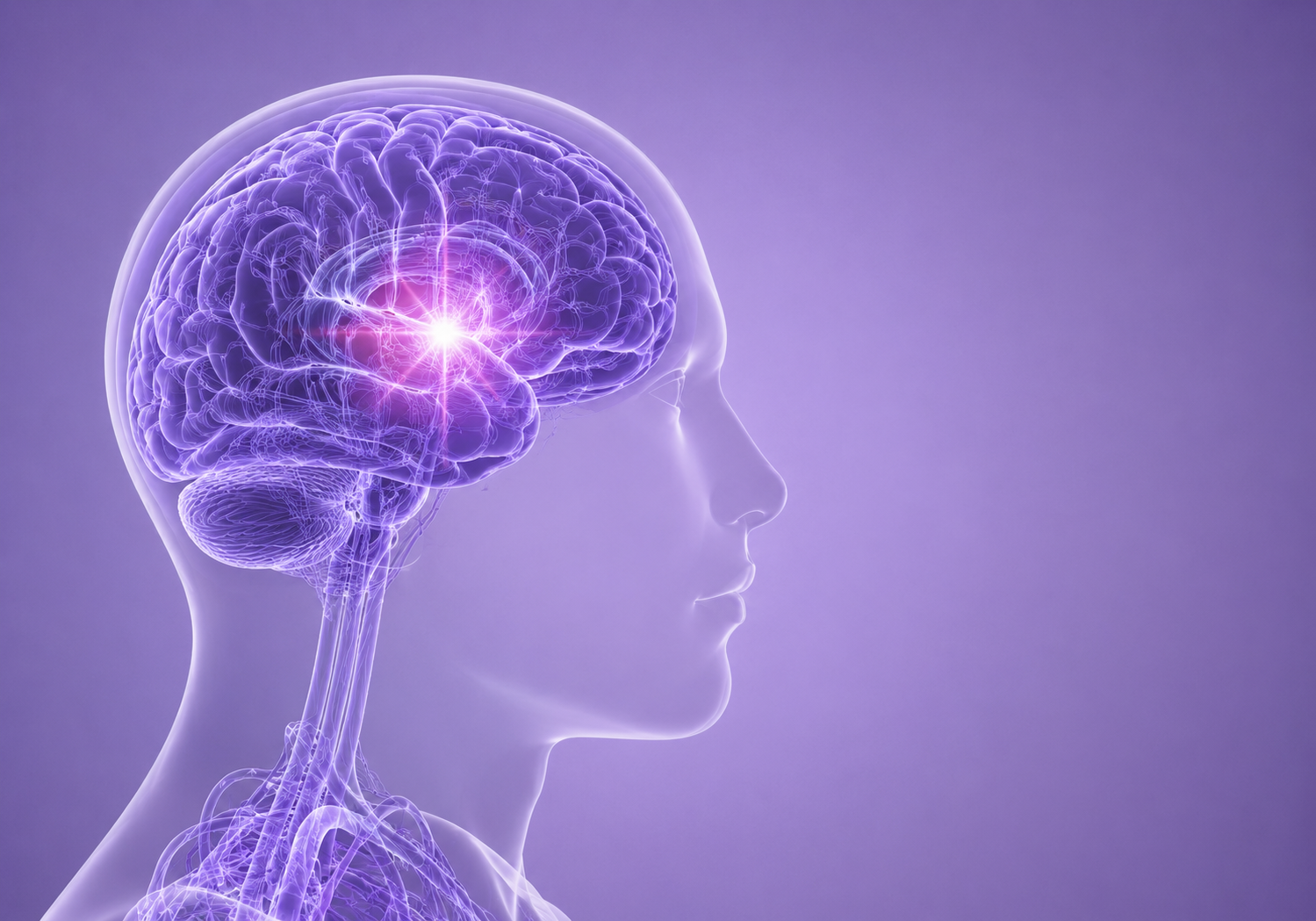
Every second matters when it comes to stroke.
Often referred to as a “brain attack,” a stroke occurs when blood flow to the brain is interrupted, depriving brain cells of oxygen. Without immediate diagnosis and treatment, permanent brain damage—or even death—can occur. Rapid, accurate imaging is the cornerstone of stroke care, and that’s where CT and MRI play a life-saving role.
At Wisteria Imaging, our mission is simple: provide fast, precise imaging to support timely diagnosis and better outcomes for patients across the Greater Philadelphia area.
Recognizing the Signs of Stroke
Stroke symptoms can appear suddenly and require immediate attention. Remember the acronym F.A.S.T.:
Face drooping
Arm weakness
Speech difficulty
Time to call 911
The faster a stroke is identified, the better the chances of minimizing long-term damage.
Why Imaging Is Essential in Stroke Diagnosis
Not all strokes are the same. There are two primary types:
Ischemic stroke – caused by a blockage (most common)
Hemorrhagic stroke – caused by bleeding in the brain
Imaging is the only way to quickly distinguish between these types, which is critical because treatments differ significantly.
CT Scans: The First Line of Defense
A CT (Computed Tomography) scan is typically the first imaging test performed in suspected stroke cases.
Why CT Matters:
Speed: CT scans can be completed within minutes
Availability: Widely accessible in emergency settings
Critical insights: Quickly detects bleeding in the brain
CT imaging uses X-rays to create detailed cross-sectional images, making it highly effective for identifying hemorrhagic strokes and ruling out other causes such as tumors or trauma.
At Wisteria Imaging, our advanced CT technology allows for rapid, non-invasive evaluation, helping physicians make immediate, life-saving decisions.
MRI: Advanced Insight for Stroke Evaluation
While CT is often the first step, MRI (Magnetic Resonance Imaging) provides deeper, more detailed information—especially for ischemic strokes.
Why MRI Is Powerful:
High sensitivity: Detects early ischemic changes that CT may miss
Superior soft tissue detail: Ideal for brain imaging
No radiation exposure: Uses magnets and radio waves
MRI produces highly detailed images of brain tissue, making it especially useful for identifying small or early-stage strokes and assessing the extent of brain damage.
In many cases, MRI is used after an initial CT scan to guide treatment decisions and evaluate recovery.
CT vs. MRI: Working Together
Rather than competing technologies, CT and MRI are complementary tools in stroke diagnosis:
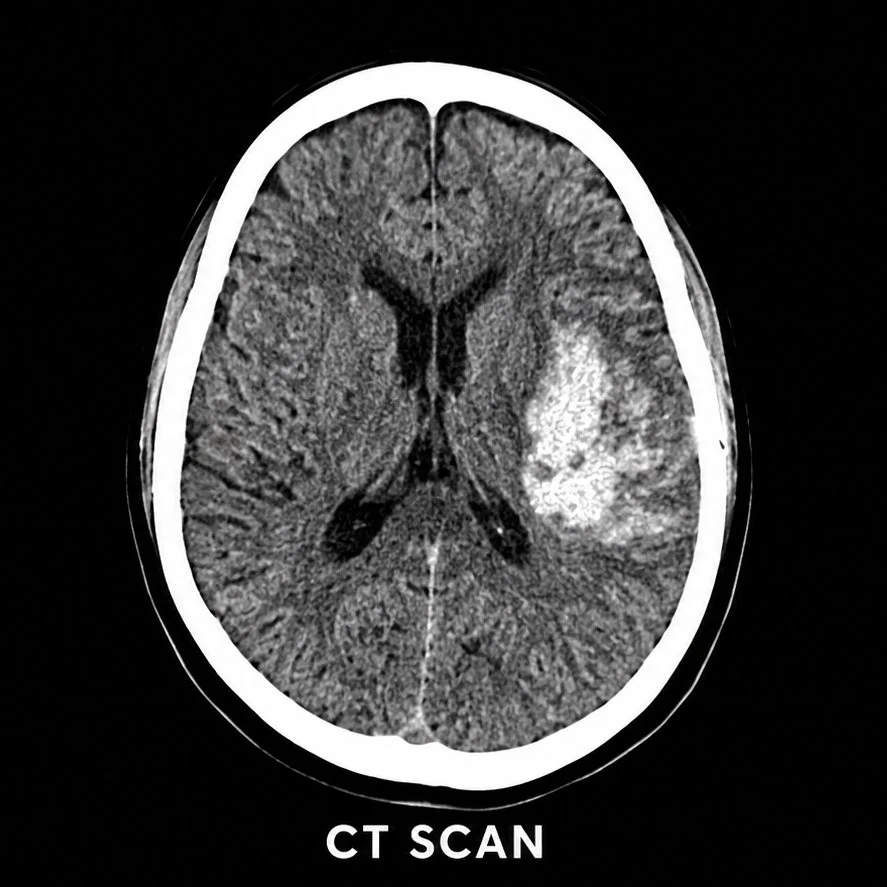
CT Scan
Fast and widely available
Best for detecting bleeding
First-line emergency tool

MRI Scan
More detailed imaging
Best for detecting early ischemic stroke
Follow-up and advanced evaluation
This combined approach ensures patients receive the most accurate diagnosis in the shortest possible time—a critical factor in stroke survival and recovery.
The Wisteria Imaging Difference
At Wisteria Imaging, we understand that time is everything in stroke care. That’s why we focus on:
Same-day appointments and rapid turnaround times
Board-certified, fellowship-trained radiologists
Advanced imaging technology for precise results
Patient-centered care in a comfortable environment
Our team is dedicated to delivering timely, accurate imaging, often with results communicated within 24 hours to support faster clinical decisions.
When Every Second Counts, Imaging Saves Lives
Stroke is a medical emergency—but with the right imaging at the right time, outcomes can be dramatically improved.
Whether it’s a fast CT scan to rule out bleeding or a detailed MRI to assess brain tissue, advanced imaging plays a critical role in guiding treatment and improving recovery.
If you or a loved one is at risk for stroke, or if your physician recommends diagnostic imaging, trust Wisteria Imaging for fast, reliable, and compassionate care.
Schedule Your Imaging Today
Early detection can make all the difference. Contact Wisteria Imaging to learn more or book your appointment.